
Design and management works are considered vital fields that meet the needs of many different industries and projects. Successful planning and design can transform ideas into tangible reality, enhancing the project’s quality and achieving its goals efficiently and professionally.
The role of design and management is to provide comprehensive and integrated solutions that include project planning, design, and management to ensure the achievement of the best results.
Project management is considered one of the most important services offered by design and management firms, as it contributes to improving workflow and ensuring the completion of projects according to required standards and within the stipulated timeframe.
Project management services include planning and design, coordination, monitoring, and evaluation, in addition to ensuring quality implementation and risk reduction.
Project management relies on several key steps to achieve success:
Planning and Design: Developing a detailed plan that includes all aspects of the project in terms of objectives, cost, and timeline, while defining all required resources.
Execution: Guiding the team and managing all necessary operations to complete the project, ensuring that everyone is aware of their tasks.
Monitoring and Control: Continuously tracking the project’s progress and ensuring that objectives are met with the required quality, with the ability to adapt to unforeseen changes.
Evaluation: After completion, the project is evaluated, and areas for improvement in future projects are identified.
Providing a project management service contributes to enhancing customer experience and achieving project success through competent management.
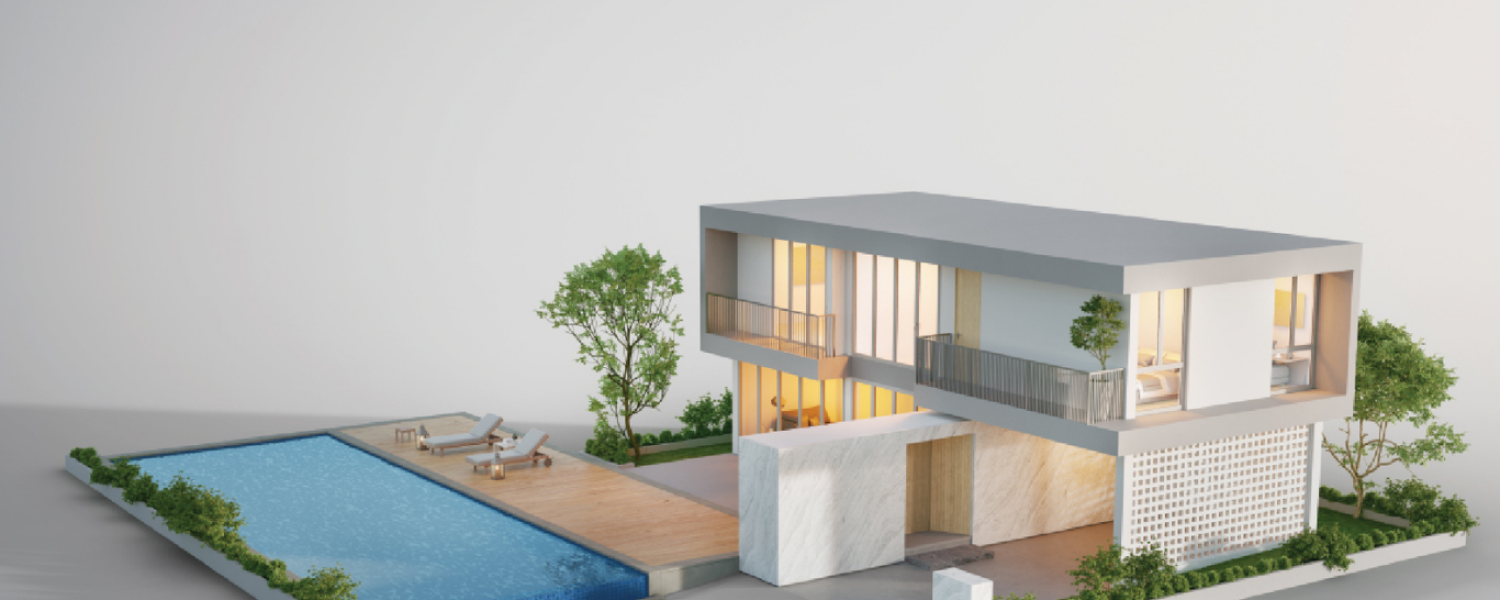
One of the essential areas in design services is 2D – 3D designs, where the drafting of two-dimensional and three-dimensional plans is crucial for giving the client a clear and realistic vision of the final project form.
These designs vary based on the nature of the project; for instance, two-dimensional (2D) designs are used to clarify basic outlines and projections, while three-dimensional (3D) designs allow for viewing the project from all angles with greater detail.
Two-Dimensional Designs (2D): These help in drawing a comprehensive map of the project, such as planning rooms in buildings or distributing spaces in gardens.
Three-Dimensional Designs (3D): These provide an accurate and comprehensive visualization, allowing clients to understand the project’s vision more realistically, and also enable designers to display design details more clearly, such as furniture, lighting, and colors.
These designs are effective tools for helping clients visualize the final project and assist in reducing modifications that may arise during the execution phase.
The planning and design of irrigation systems is one of the services required by many agricultural and landscaping projects, as providing effective irrigation solutions is vital to ensuring the sustainability of plants and green spaces.
This service includes the planning and implementation of advanced irrigation systems that suit the site’s needs, soil characteristics, and the cultivated plants.

Drip Irrigation Systems: Ideal for providing precise amounts of water to plants, which contributes to reducing water consumption.
Sprinkler Irrigation Systems: Primarily used in large areas like public parks, where water is distributed evenly.
Wind and Evaporation Irrigation Systems: Used less frequently, but are a suitable option in areas with hot and dry climates.
Swimming pools are considered facilities that require careful specialized planning and design, as their design necessitates a precise study of the site, safety, and the availability of all technical requirements to achieve high quality.
Custom Engineering Design: Ensures meeting client needs and achieves an aesthetic and artistic balance. Custom design may include adding waterfalls or dividing the pool into several sections to meet various needs.
Modern Filtration Systems: Swimming pool designs usually provide advanced filtration systems to maintain water quality and provide a healthy and safe environment for users.
Lighting: Plays an important role in creating a distinctive ambiance, and also serves as a security factor that aids visibility at night.
Custom planning and design for swimming pools adds an aesthetic dimension to any open space and increases the recreational value of residential and commercial properties.
The planning and design of landscapes aim to transform outdoor spaces into inspiring places, utilizing plants and green areas, in addition to trees and flowers, to provide stunning natural atmospheres.
Landscape design requires the integration of several elements such as lighting, pathways, and plants suitable for the project’s environment.
Space Planning: This includes organizing plants, seating areas, and pathways, providing a comfortable ambiance for visitors.
Plant Selection: Based on the climate and soil characteristics, plants that suit the project’s environment and contribute to providing natural atmospheres are chosen.
Use of Lighting: To highlight the beauty of the design at night, lighting helps add an aesthetic character and provides security in outdoor areas.
Landscape planning and design transforms outdoor spaces into beautiful and inspiring environments, enhancing the project’s aesthetics and lending it a unique character.